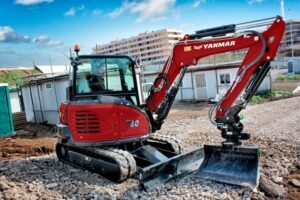



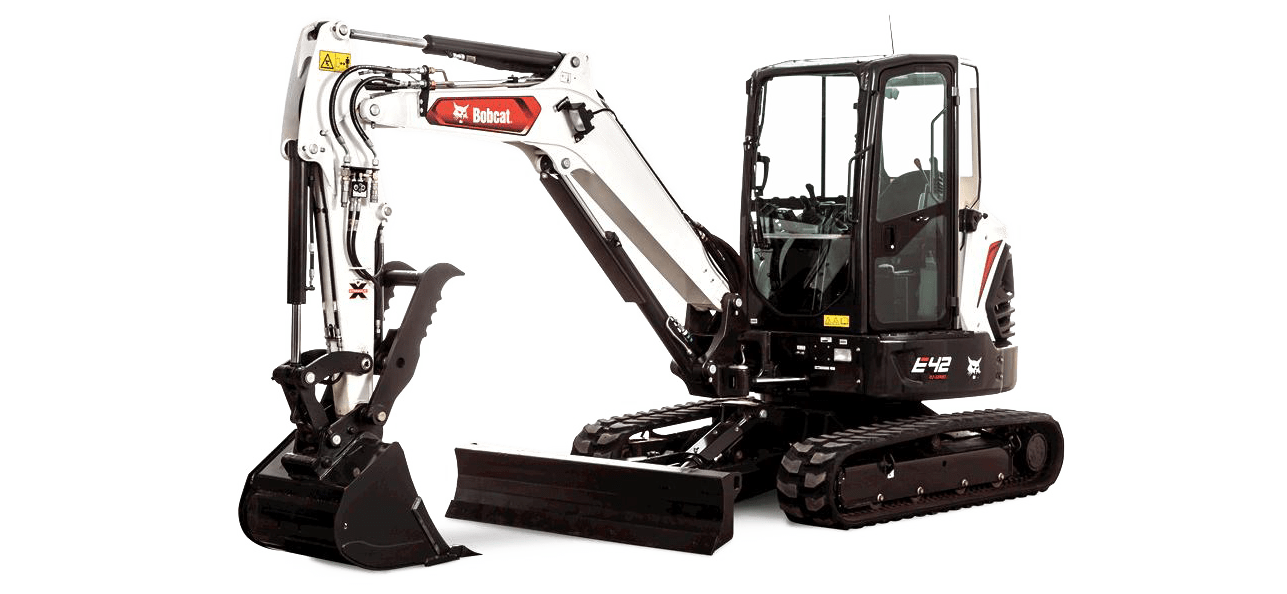


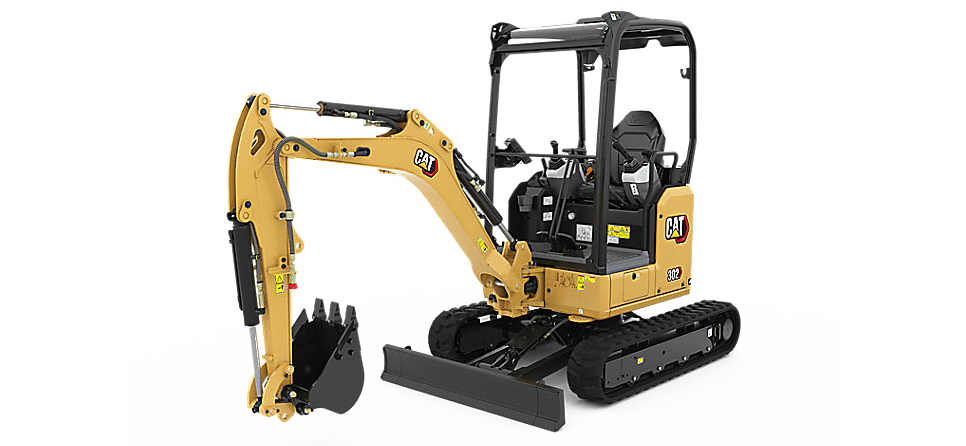








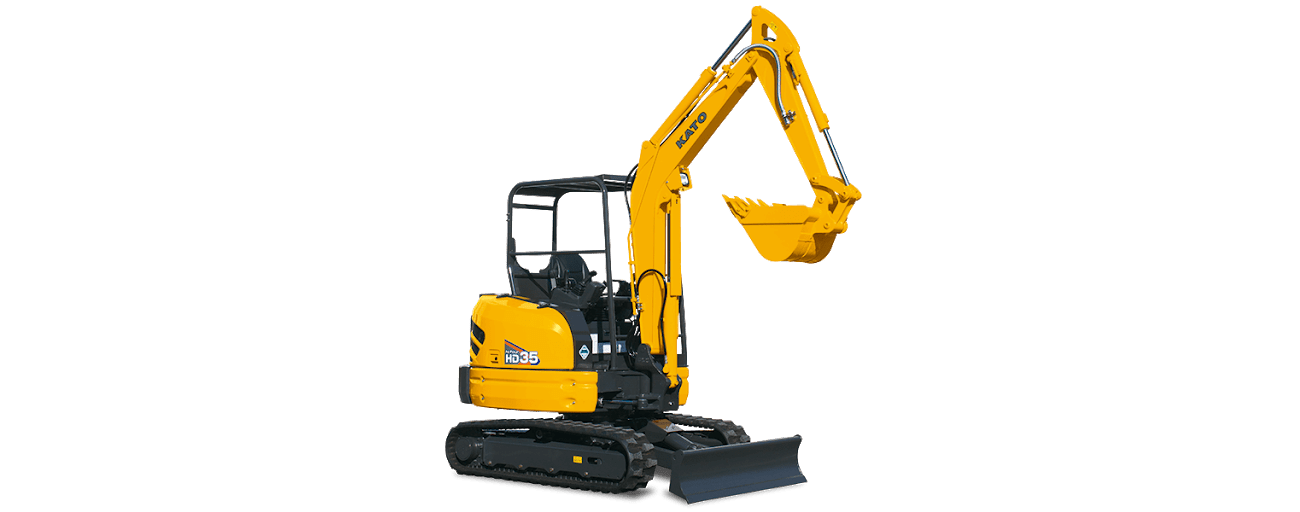


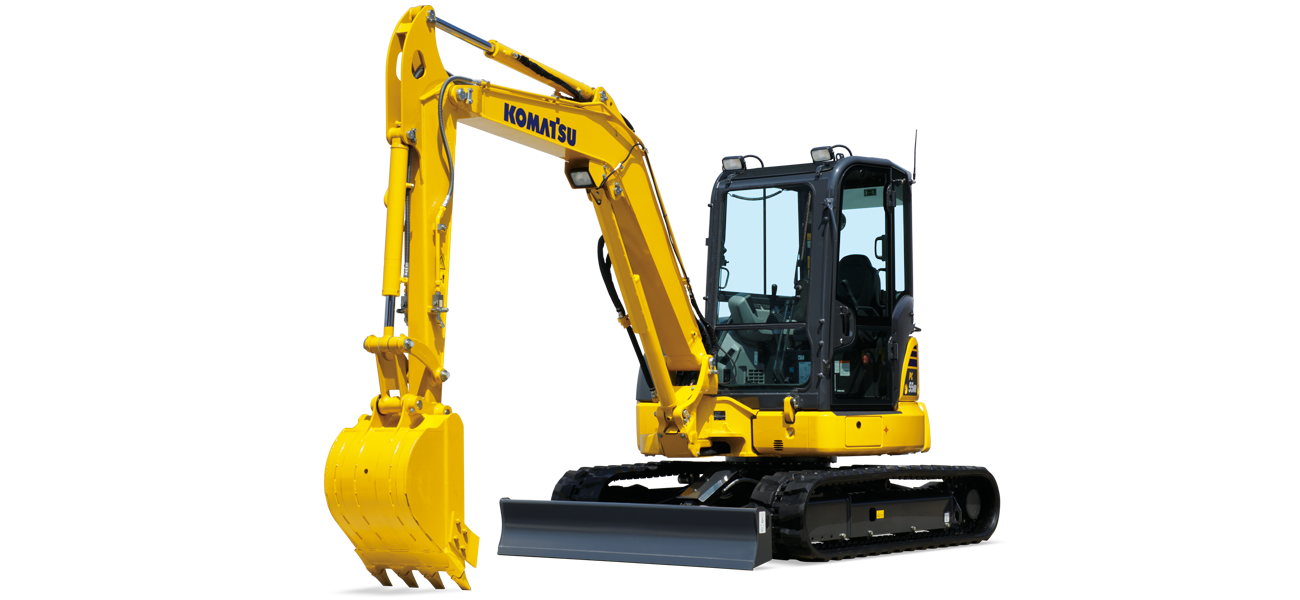

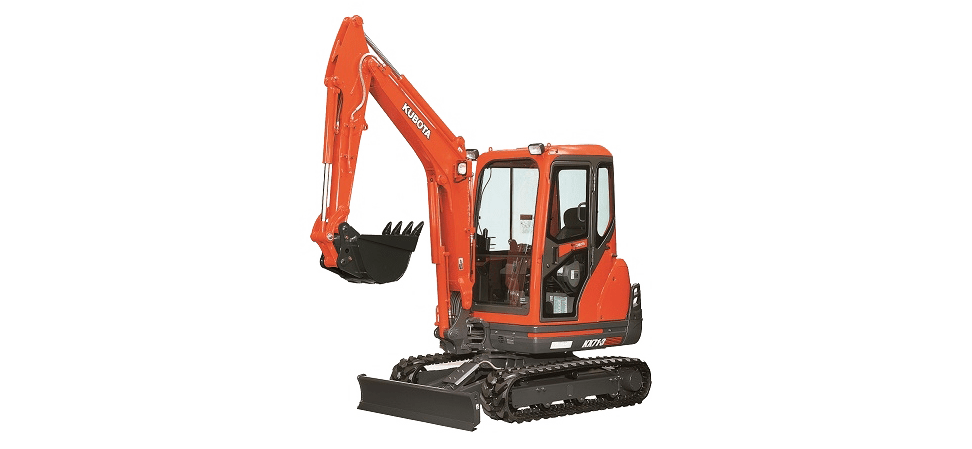













Rubber tracks work in tough conditions every day. Gravel. Concrete edges. Rebar scraps. Mud packed with stones. Over time, small cracks and hidden cuts develop. If ignored, minor damage turns into sudden failure. Downtime increases. Project schedules suffer. Repair cost rises fast. From an operator’s perspective, early inspection protects both machine performance and operating budget.
Start with daily visual checks before operation. Look at the outer tread surface. Focus on small hairline cracks along the lugs. These cracks often appear from repeated flexing on hard surfaces. Shallow surface lines are normal. Deep splits reaching internal layers are not. Early detection prevents structural separation later.
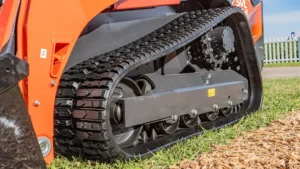
Next, inspect the inner side of the track. Check guide lugs carefully. Damaged guide blocks cause misalignment. Misalignment leads to uneven wear on sprockets and rollers. Uneven wear increases vibration. Vibration shortens bearing life. A simple flashlight inspection saves long term repair expense.
Cuts along sidewalls deserve close attention. Sharp debris like metal shards or broken concrete can slice into rubber layers. Even small cuts allow moisture to enter. Moisture weakens internal steel cords. Corrosion begins. Structural strength drops. Replacing tracks early costs less than repairing a damaged undercarriage system.
Embedded debris is another hidden risk. Stones trapped between tread and sprocket teeth create pressure points. Continuous rotation pushes debris deeper. Internal layers compress. Over time, bulging or separation forms. Remove trapped material daily using safe tools. Never use excessive force that damages rubber surface.
Check track tension during inspection. Over tight tracks increase internal stress. Excessively loose tracks cause slippage and edge wear. Proper tension reduces cracking and prolongs rubber flexibility. Measure sag according to equipment guidelines. Balanced tension protects both tracks and drive components.
Operating habits also influence track condition. Avoid sharp pivot turns on rough ground. Reduce high speed travel on asphalt. Clean tracks after working in mud or clay. Consistent care lowers abrasion rate. Extends service life significantly.
High quality rubber tracks feature reinforced steel cores, advanced rubber compounds, and precision molding. Strong bonding between layers resists tearing. Accurate pitch design ensures smooth sprocket engagement. Reliable manufacturing standards reduce premature cracking. When selecting replacement tracks, focus on durability data, material strength, and wear resistance performance.
In conclusion, early inspection of rubber tracks prevents unexpected breakdowns and protects machine productivity. Spotting cracks, cuts, and embedded debris at an early stage saves money and extends undercarriage life. Operators who prioritize daily checks reduce downtime and improve job site efficiency. Request detailed track specifications, durability reports, and competitive quotations to secure dependable rubber tracks built for demanding applications.
Miniexcavatorpart Operation Team
2026.2.10