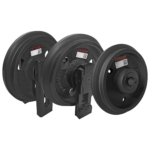
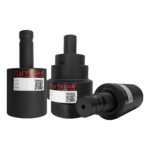
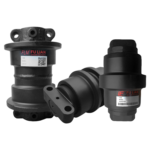
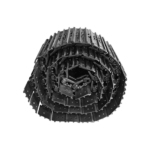
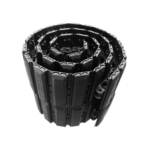
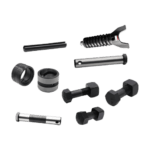














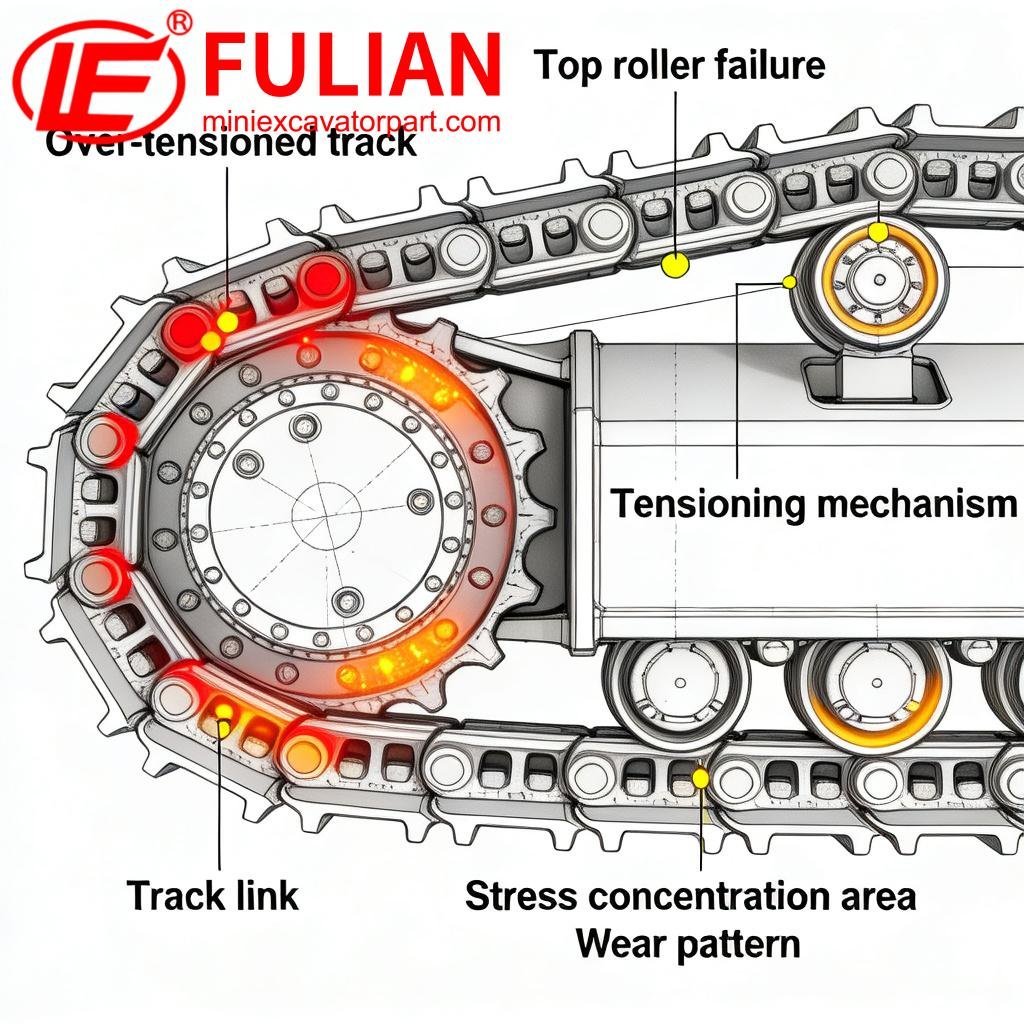
Top rollers and bottom gear rollers are critical components of any tracked machine, yet they are often subjected to stress caused by improper track tension. Over-tensioned tracks are a leading cause of premature top roller failures, while bottom rollers face accelerated wear in harsh jobsite conditions. Operators frequently overlook the connection between track tension and roller longevity, but understanding this relationship is key to extending undercarriage life and maintaining optimal machine performance.
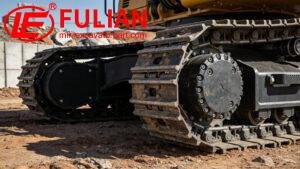
Top rollers guide and support the track on the upper portion of the undercarriage. When tracks are too tight, the increased pressure causes excessive friction on the roller surface and bearings. This leads to overheating, accelerated bushing wear, and even roller deformation. Over-tensioning is often a result of misadjusted hydraulic tensioners or operators compensating for track sag. Without correction, these top rollers fail faster than expected, resulting in costly downtime and expensive replacements.
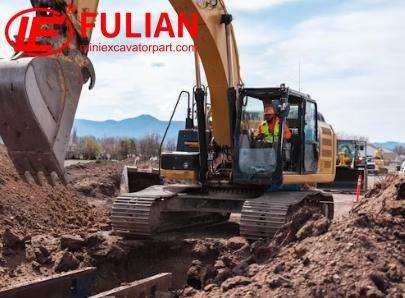
Bottom gear rollers also face challenges under harsh jobsite conditions. Heavy loads, uneven terrain, and abrasive materials increase stress on rollers and bushings. When combined with over-tensioned tracks, wear rates rise significantly. Uneven weight distribution causes the rollers to grind against the track chain, accelerating metal fatigue and compromising smooth operation. Machines in mining, construction, and roadwork applications are especially vulnerable due to the demanding environments they operate in daily.
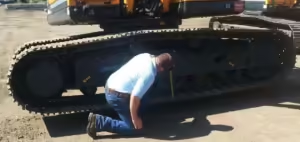
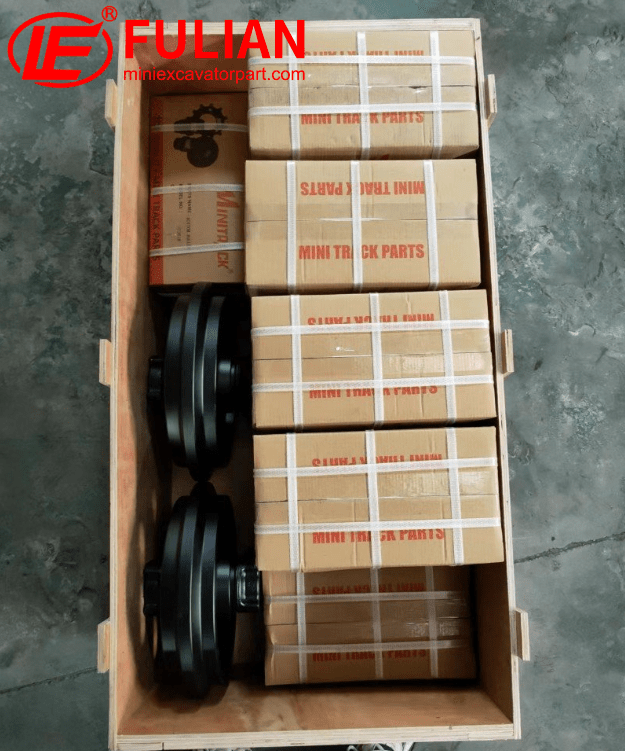
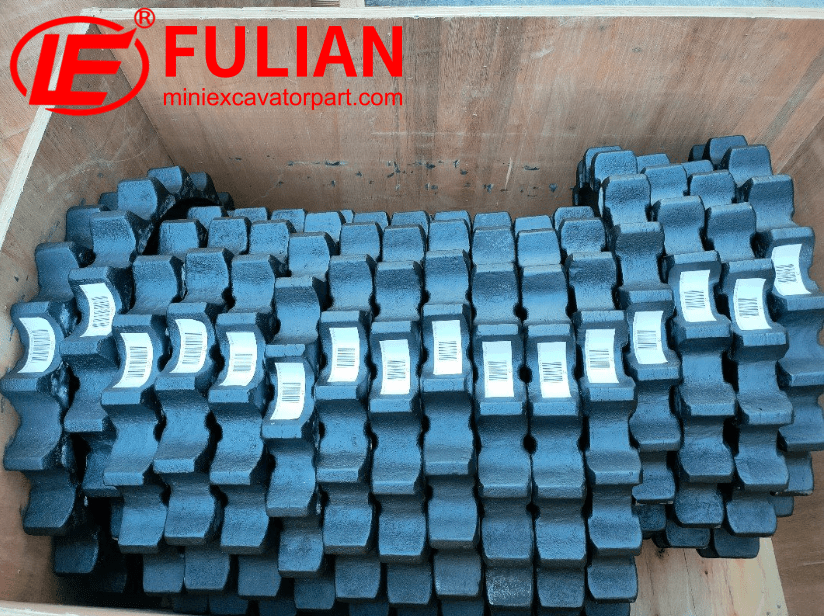
Routine inspection and maintenance are the most effective preventive measures. Checking track tension against manufacturer specifications, inspecting rollers for abnormal wear, and ensuring proper lubrication are essential steps. Cleaning debris from rollers and tracks reduces friction and prevents particles from embedding in bushings or causing surface damage. Investing in high-quality aftermarket top and bottom rollers, made with precision machining and hardened steel, further enhances durability and reduces maintenance intervals.
Correcting track tension is not only about avoiding roller failures. Properly adjusted tracks improve overall machine efficiency, reduce fuel consumption, and enhance operator safety. Balanced tension ensures smoother operation, better traction, and longer component life across the undercarriage. Combining high-quality components with diligent maintenance practices maximizes performance and minimizes unexpected downtime, keeping projects on schedule and costs under control.
In conclusion, over-tensioned tracks significantly increase the risk of top roller failures and accelerate bottom roller wear, especially in tough jobsite conditions. Regular inspections, correct tension adjustments, and the use of premium rollers are essential for machine longevity. Operators seeking reliable solutions can access professional support and high-performance components to safeguard their equipment and maintain peak operational efficiency. Contact today for expert guidance and detailed quotations to protect your undercarriage investment.
Miniexcavatorpart Operation Team
2025.12.16