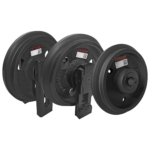
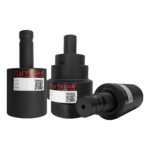
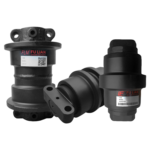
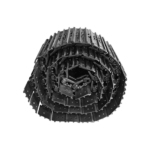



























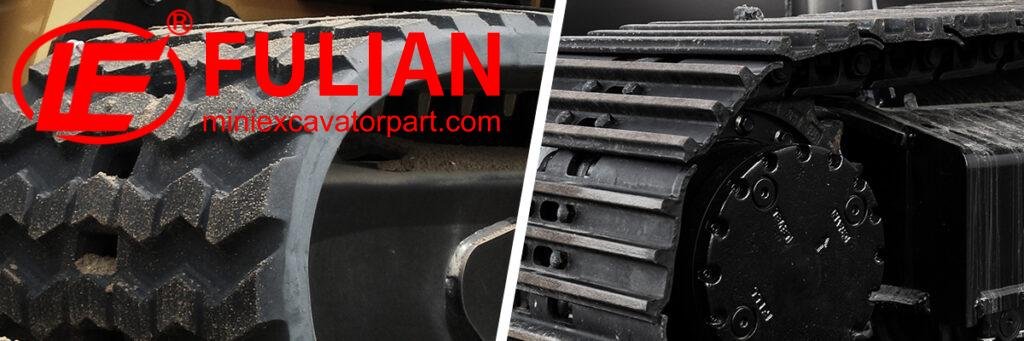
Tracked machines face tough conditions every day. Sand, clay, mud, and dirt can sneak into rubber and steel tracks. Contamination accelerates wear. It damages rollers, sprockets, idlers, and track links. Small particles grind metal and rubber, reducing track life. Many operators ignore daily cleaning. This leads to unexpected downtime and costly repairs.
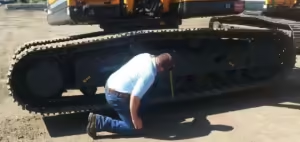
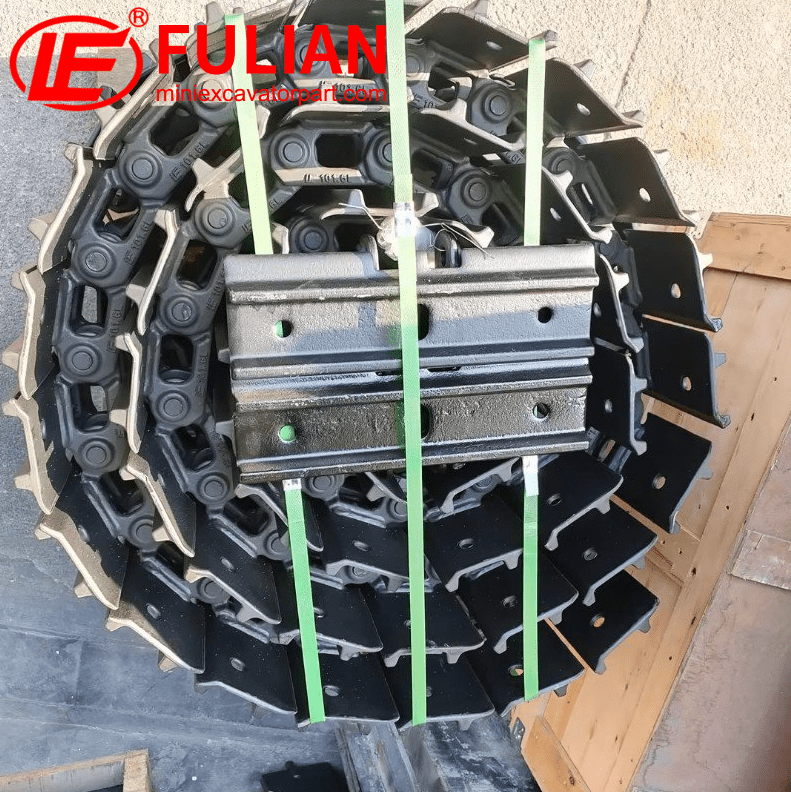
Start with daily visual inspections. Check track shoes, rollers, and sprockets. Look for sand and clay packed in tight spaces. Rubber tracks often trap fine soil between lugs. Steel tracks collect dirt inside links and bushings. Removing debris early prevents abrasion and uneven wear. Tools like brushes, air guns, or low-pressure water are effective. Avoid high-pressure jets that can force dirt deeper into bearings.
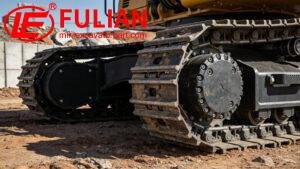
Next, pay attention to undercarriage clearance. Loose debris under rollers increases load and friction. Even small stones create metal-on-metal contact. This speeds up roller flattening, sprocket tooth wear, and track stretch. Proper cleaning ensures smooth rotation of rollers and proper alignment of track links.
Greasing and lubrication routines also protect against contamination. Rubber tracks need clean surfaces and edges. Steel tracks benefit from regular grease in pins and bushings. Preventing dirt entry keeps internal components safe. Avoid over-greasing, which can attract more debris. Focus on key points where dirt naturally accumulates.
Monitor working conditions. Sandy or clay-heavy sites require more frequent checks. Muddy conditions trap moisture with dirt, accelerating corrosion and rubber deterioration. Plan preventive maintenance around site conditions. Regular removal of debris increases track life and reduces overall operational costs.
Choose high-quality tracks built for tough conditions. Reinforced rubber with proper tread patterns resists stone and clay abrasion. Heat-treated steel tracks with hardened pins and bushings handle abrasive soils better. Reliable suppliers ensure consistent material quality, precision manufacturing, and strict inspection. This makes contamination easier to manage and wear easier to detect.
Conclusion: Preventing sand and clay damage requires daily inspections, cleaning, proper lubrication, and selecting quality tracks. Small preventive steps today save thousands in repairs tomorrow. Machines remain productive, maintenance costs stay predictable, and track lifespan improves. Contact a supplier for technical guidance and a fast quotation for rubber and steel tracks suited to your working conditions.
Miniexcavatorpart Operation Team
2026.1.13