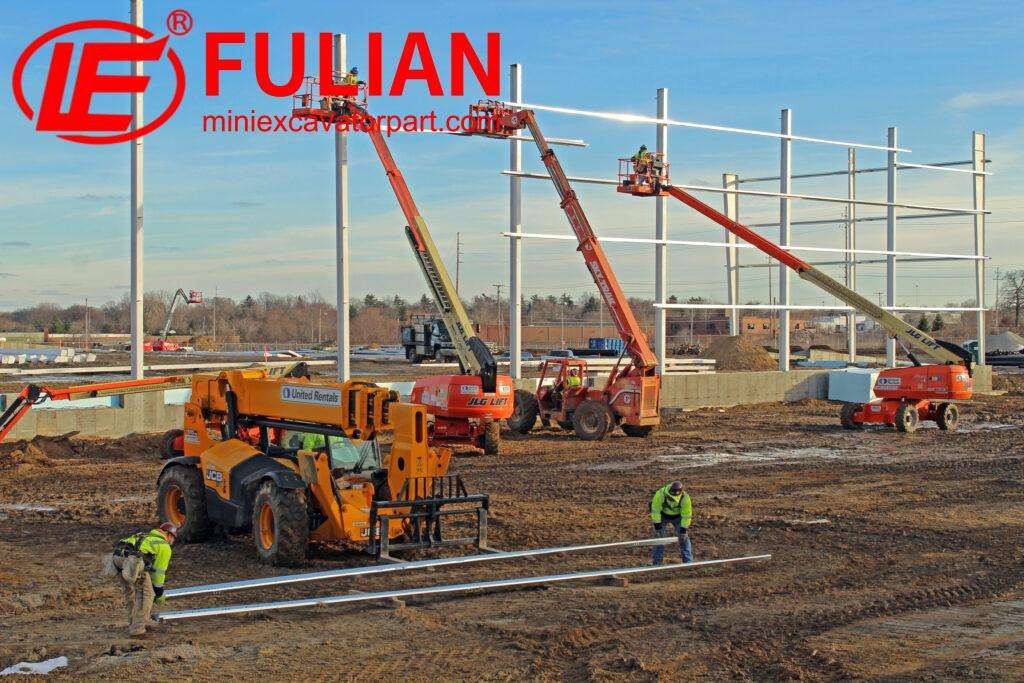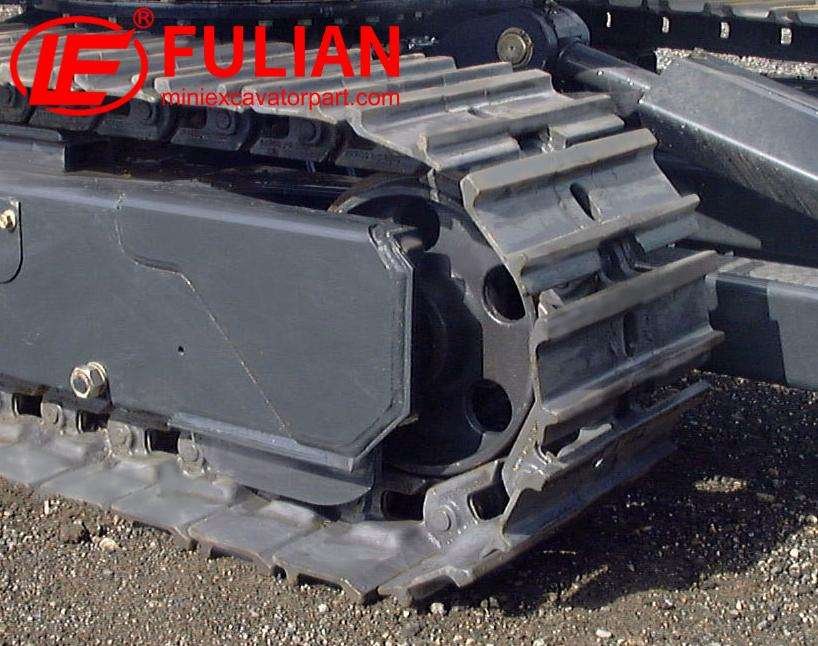
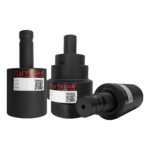
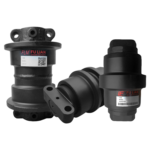


























Construction machinery is the backbone of every major project. When these machines operate in challenging environments, wear and tear are inevitable. One critical component subject to significant stress is the bottom roller, especially in heavy-duty construction settings. These rollers support the weight of the equipment, allowing for smoother movement across rough terrains. However, they also face extreme conditions that contribute to accelerated wear. In this blog, we’ll explore the wear distribution trends of bottom rollers in harsh construction environments and why it’s crucial for operators and fleet managers to address this issue proactively.
In demanding construction environments, bottom rollers are exposed to constant friction, dirt, and debris. As a result, their lifespan can dramatically decrease if not properly maintained. The wear pattern on bottom rollers typically varies depending on the type of terrain, the load carried, and the machine’s operational efficiency. On rough and uneven surfaces, the rollers bear a lot more pressure and friction, leading to increased wear. In addition, construction sites with constant heavy machinery movement can further exacerbate the problem, making it more critical to monitor roller conditions regularly.
A key factor that influences wear distribution is the alignment and balancing of the equipment. Misalignment can cause uneven wear, which reduces the efficiency of the roller and, by extension, the overall performance of the machinery. When rollers are not aligned correctly, certain areas experience higher pressure and friction, leading to accelerated deterioration. Over time, this can cause the machinery to become less efficient and prone to breakdowns, resulting in expensive repairs and downtime.
Another issue that often arises is contamination. Dust, dirt, and debris from the construction environment can build up around the rollers, increasing the friction and wear. This is particularly true in environments where heavy-duty machinery is used continuously, such as road construction sites or mining operations. Proper cleaning and lubrication of bottom rollers are essential for minimizing these issues. Without regular maintenance, contaminants can compromise the integrity of the rollers, leading to faster wear and tear.
So, what can be done to prevent or reduce the wear on bottom rollers? First, regular inspections and maintenance are crucial. Monitoring wear patterns and ensuring the rollers are clean and well-lubricated can help extend their lifespan. Additionally, investing in high-quality, durable rollers designed to withstand harsh environments can provide long-term savings. Opting for materials that resist contamination and wear can make a significant difference in reducing maintenance costs and improving equipment performance.
In conclusion, understanding the wear distribution trends on bottom rollers in harsh construction environments is essential for preventing costly repairs and maximizing the longevity of your machinery. Regular maintenance, proper alignment, and using high-quality rollers can make a significant difference. If you’re looking for solutions to protect your construction equipment, consider reaching out to a trusted provider with expertise in heavy-duty machinery parts. Investing in the right components today can save you time and money in the long run. For inquiries or quotes, don’t hesitate to contact us!
Miniexcavatorpart Operation Team
2026.4.14