




















Undercarriage wear is one of the most common causes of costly repairs and extended downtime for heavy machinery, such as bulldozers, excavators, and skid steer loaders. The problem is persistent, and surprisingly, over-tension is still the #1 cause of undercarriage wear. Despite advancements in machinery technology and maintenance practices, operators continue to battle this issue, leading to reduced equipment life and increased operating costs. In this blog, we’ll delve into why over-tension remains such a critical factor and what steps you can take to prevent it.
Understanding Over-Tension and Its Effects on the Undercarriage
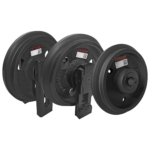
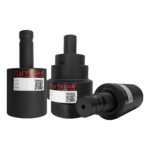
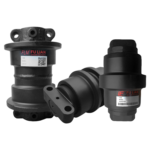
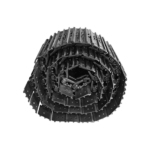
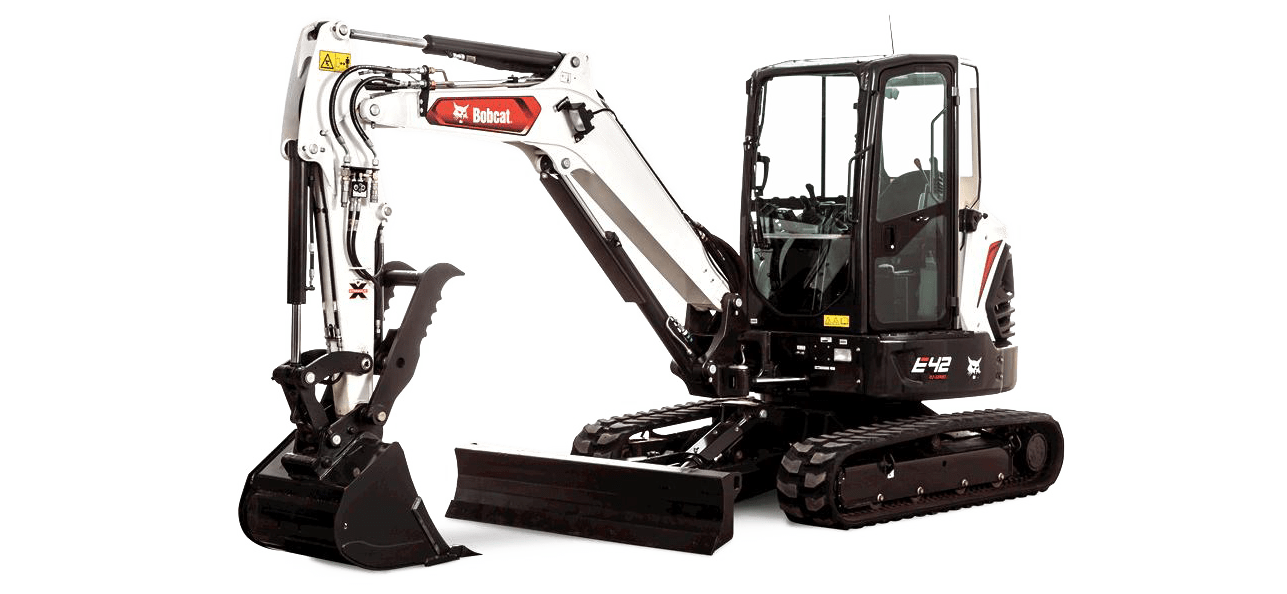
The undercarriage of construction machinery is made up of several critical components, including tracks, rollers, sprockets, and idlers. These parts work together to ensure the machine moves smoothly and efficiently. However, one of the most common causes of premature wear is over-tension in the tracks.
When the track tension is too high, the system is forced to work harder than it should. Over time, this added stress leads to increased friction, which accelerates wear on the undercarriage components. The excessive tension causes the track shoes, rollers, and idlers to degrade faster, leading to costly repairs and even catastrophic failure if left unchecked.
Why Does Over-Tension Happen?
Over-tension can happen for several reasons, but most commonly it results from improper adjustments or a lack of understanding about optimal tension settings. Some of the factors include:
- Incorrect Tension Adjustments
Operators may adjust the track tension incorrectly, either due to inexperience or a lack of awareness of the machine’s ideal specifications. The tension must be neither too tight nor too loose to ensure proper performance. If it is set too high, the components experience unnecessary strain, leading to premature wear. - Failure to Regularly Check Tension Levels
Many operators fail to regularly check or adjust the track tension throughout the lifespan of the machine. Tracks naturally stretch over time, and without routine checks, they can become over-tensioned. This makes it even more important to maintain a consistent maintenance schedule. - Environmental Factors
Operating in harsh conditions, such as rough terrain, mud, or excessive heat, can affect track tension. The constant movement and shifting of the machinery put stress on the undercarriage, which can lead to changes in the tension and cause components to wear out quicker.
The Consequences of Over-Tension
The impact of over-tension is felt across multiple parts of the undercarriage. Here’s what can go wrong:
- Accelerated Wear on Tracks and Rollers
Excessive tension leads to rapid wear on the track shoes and rollers. The added strain causes the track to wear unevenly, reducing its lifespan and requiring more frequent replacements. - Increased Fuel Consumption
When the tracks are too tight, the engine must work harder to move the machine, which leads to higher fuel consumption. Over time, this increases operational costs and reduces the efficiency of the machinery. - Potential for Complete Undercarriage Failure
Over-tension can also cause more severe issues, such as the failure of the rollers or sprockets. If these parts break down, the undercarriage system can fail entirely, resulting in costly downtime and expensive repairs. - Higher Maintenance Costs
With the added wear, maintenance costs rise significantly. Replacing undercarriage components too frequently takes a toll on the budget, reducing the profitability of projects.
How to Prevent Over-Tension and Extend Undercarriage Life
Preventing over-tension is straightforward if proper maintenance practices are followed:
- Regular Tension Checks
Always check the track tension according to the manufacturer’s guidelines. Use the appropriate tools and equipment to ensure that the tension is neither too tight nor too loose. - Routine Maintenance
Perform routine inspections of the undercarriage to monitor wear levels and adjust tension as needed. Regular cleaning and greasing of the undercarriage components also help maintain optimal function. - Training Operators
Properly train operators on how to adjust and monitor the track tension. Education is key to ensuring that tension is kept within optimal levels and that undercarriage wear is minimized. - Monitor Operating Conditions
Be mindful of the operating environment. If your machinery is working in particularly tough conditions, you may need to adjust the tension more frequently to prevent over-tightening and undue stress on the undercarriage.
Miniexcavatorpart Operation Team
2026.4.7